Workplace
Designing accommodation processes and workplace systems that retain disabled talent.
One in four U.S. working-age adults has a disability. Yet many workplace systems still assume a narrower range of bodies, minds, and ways of working. At the same time, the ADA interactive process—the mechanism intended to secure equal access—is too often structured to evaluate accommodation requests rather than identify effective accommodations.
I work with employers on two closely connected areas: the ADA interactive process and the workplace systems that shape how work is organized.
Organizations typically seek this work when accommodation processes are not reliably producing effective accommodations, or when workplace systems are creating recurring barriers for disabled employees.
I help organizations diagnose what is producing those problems and determine what needs to change.
Workplace Systems
Workplace expectations involving presence, productivity, communication, time, pace, and customary methods of performance can create unnecessary barriers for disabled employees. They also shape what accommodations are considered possible and how often individualized accommodations are needed in the first place. Where flexibility is built into how work is structured and evaluated, fewer barriers require individual modification.
I examine whether organizations distinguish what is genuinely necessary from what is merely familiar—and whether their systems provide enough flexibility for disabled employees to participate, perform, and remain.

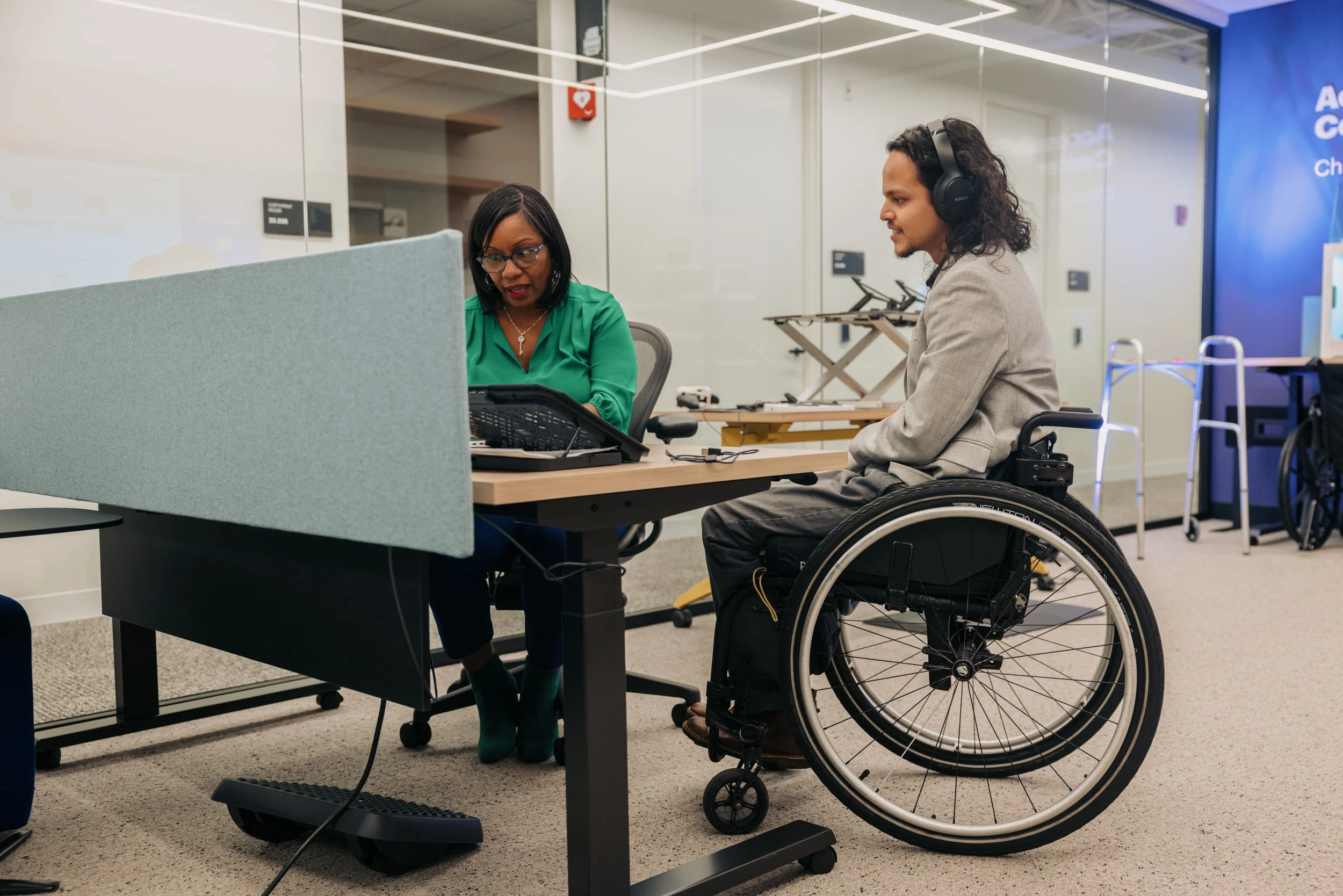
The Interactive Process
In many organizations, accommodation processes are formally compliant but functionally unreliable. Requests stall, narrow too quickly to a single option, or end without identifying an effective accommodation. These outcomes follow from how the process is structured.
Too often, the interactive process operates as a review of accommodations employees have already been expected to identify. Medical providers are asked to recommend or justify solutions to workplace design problems. Customary methods of performing work are treated as essential job functions. And when a proposed accommodation is rejected, the process may end without a meaningful effort to identify alternatives.
I examine how organizations structure the interactive process: who bears responsibility for identifying accommodations, how essential functions are analyzed, what information and expertise inform the process, and what happens when a requested accommodation is denied or proves ineffective. The central question is whether the process provides a meaningful way to identify effective accommodations where they exist—and an adequate basis for concluding that none exists.
Consulting Services
Leadership Briefings
Leadership briefings are for senior leaders seeking to reduce preventable employee loss, recurring accommodation conflict, and disability-related operational risk by understanding the systems producing them.
The purpose is to clarify the central failure pattern, explain why it matters, and identify the decisions that require leadership attention.
Audits and Diagnostic Reviews
Audits and diagnostic reviews help organizations identify why accommodation processes and workplace systems are producing repeated barriers, inconsistent decisions, or avoidable employee loss.
The result is a diagnosis of structural failure points, priorities for change, and clearer visibility into avoidable legal, operational, and reputational risk.
Policy, Process, and Systems Redesign
Policy, process, and systems redesign helps organizations translate diagnosis into practical changes in how accommodations are identified, decisions are made, and work is organized.
Depending on scope, this may include revising accommodation procedures, clarifying roles and decision authority, improving consultation and follow-up, or redesigning workplace policies, workflows, role expectations, and performance practices that create unnecessary barriers.
The scope is tailored to the organization’s priorities and capacity for implementation.
My work is diagnostic and advisory. I do not manage individual accommodation cases, determine the outcome of a particular request, provide legal representation, or serve as legal counsel.
Who This Work Is For
This work is designed for employers prepared to examine and change their own systems.
I work with leaders in Human Resources, employee relations, ADA compliance, workplace accessibility, legal and risk functions, organizational effectiveness, and executive leadership.
Speaking and Training
Organizations may also begin with a leadership presentation or workshop.
Making the ADA Interactive Process Work
examines how accommodations are identified, how responsibility is allocated, what expertise is used, how essential functions are analyzed, and what a structured search requires. Those topics track the EEOC’s description of the interactive process as a joint effort to clarify needs and identify an effective accommodation.
Ableism in Workplace Policies and Practices
helps participants identify where ordinary workplace rules, routines, technologies, and performance expectations create disability-related barriers—and distinguish necessary requirements from customary ways of organizing work.
Start a Conversation
I accept a limited number of workplace consulting engagements at any one time. To request a leadership briefing, audit or diagnostic review, or redesign engagement, please contact me.